
ABOUT US
Phillips Chapel C.M.E. is the oldest C.M.E. Church built on the west side of the Mississippi, but today we are happy to call our congregation a multicultural church, serving the community of Santa Monica, CA. God continues to bless us and do big things on the corner of 4th and Bay Street! Come on by and pay us a visit!
STAY CONNECTED
CURRENT LEADERSHIP
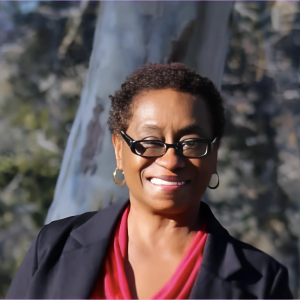
Rev. Gwendolyn Curry
We are honored to be led by Rev. Gwendolyn Curry, a lifelong member of the CME Church and a dedicated servant of God. A native of Southern California, she was appointed Pastor of Phillips Chapel CME Church in Santa Monica in 2024—her first pastoral charge.
PASTOR BIOGRAPHY
Rev. Curry brings over 50 years of ministry experience, having faithfully served as a Sunday School teacher, youth advisor, Christian Education Director, and Associate Pastor. She leads with a heart for missions, particularly in addressing homelessness through prayer, service, and the teaching of God’s Word.
In addition to her ministry, Rev. Curry has a strong background in technology and administration, gained through a long and accomplished career at Kaiser Permanente.
Her passion for Christian education and ministry, combined with her professional expertise, brings a thoughtful, modern, and compassionate approach to church leadership. Under her guidance, Phillips Chapel has welcomed new members and launched revitalization projects to renew both the spirit and the space of the church.
We invite you to worship, grow, and serve with us under Rev. Curry’s inspiring leadership.
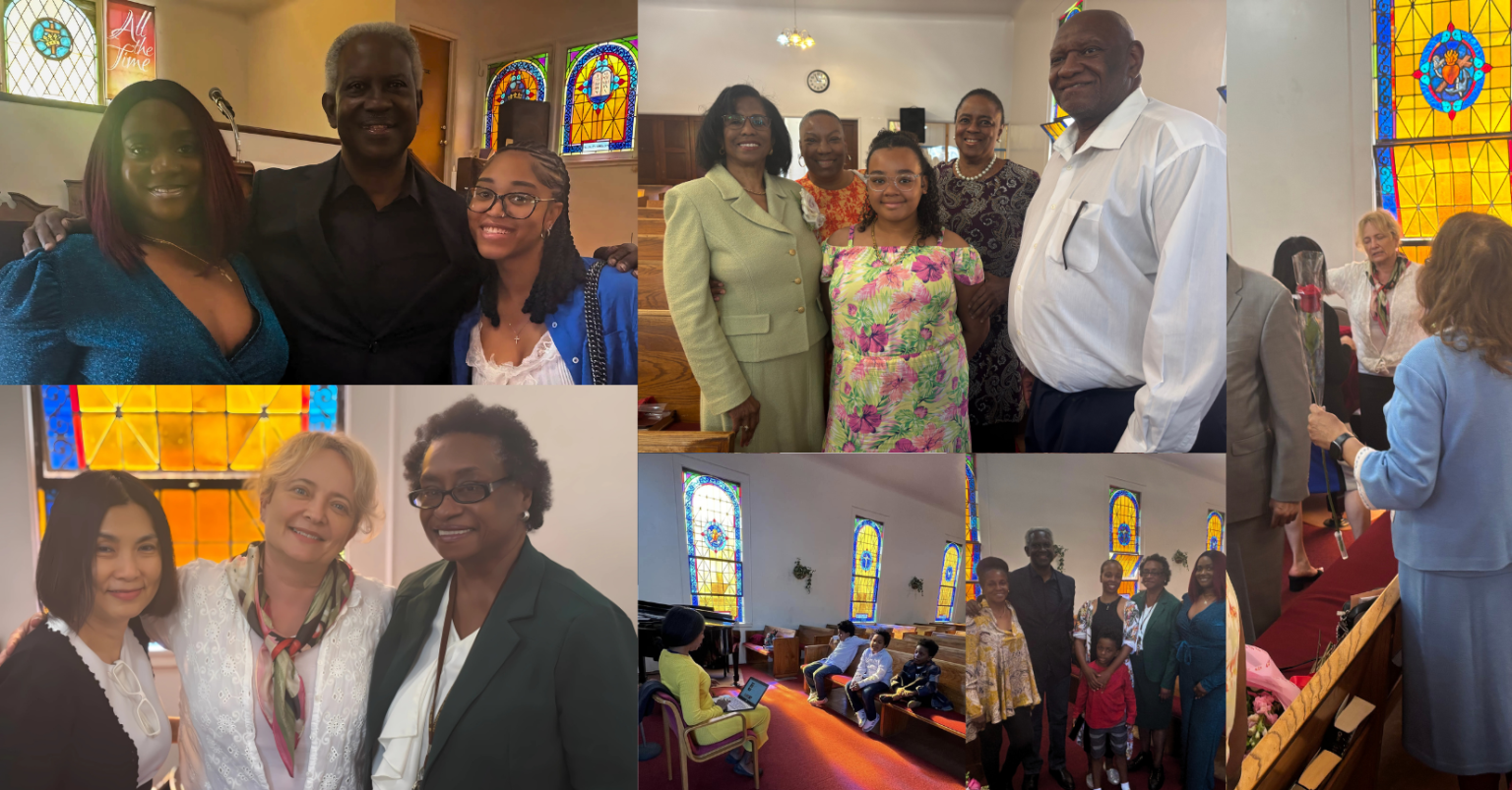
A few words about Phillips Chapel…
The first African Americans settled in Santa Monica in the late 1800s, joining Chinese, Latino, Japanese, old Californios and new Mexicans, Jews and immigrants of other nationalities in building the new city. Most African Americans migrated from southern states, attracted by the climate, employment and escape from Jim Crow laws and practices.
Santa Monica’s early African American community’s social life centered on the family, the church, social groups and the few places that allowed their patronage. Informal discrimination practices meant that African Americans could only swim at municipal pools the day before the facilities were cleaned and only attend movies, concerts or plays at certain theaters, sometimes relegated to segregated seats. They were refused service at many hotels, restaurants and other establishments until protests of this exclusion and legal victories secured and clarified their civil rights.
Discriminatory practices in Santa Monica meant most African American settlers were limited to domestic and service positions such as maids, butlers, janitors, draymen and chauffeurs. Some entrepreneurs ran boarding houses, barber shops, beauty salons and hauling companies that served both black and white patrons. A few ministers led African American congregations, but opportunities did not open in other professions, such as teaching, medicine or law until the 1950s. Restrictive real estate covenants prevented African Americans from buying property in certain areas and limited the schools their children could attend.
In 1905, African Americans established a religious congregation at Hull’s Hall on Third Street in the north section of Santa Monica, which later became Phillips Chapel Christian Methodist Episcopal (CME) Church in the Ocean Park neighborhood. The congregation was led by Western Regional CME Church leader Bishop Charles H. Phillips, with Reverend J.W. Reese from the West Texas Conference sent to assist in the endeavor.
By 1908 the local congregation had purchased a Washington School building, which had been damaged by fire, from the Santa Monica School Board with the help of funds raised by CME congregations across the nation. Originally constructed circa 1890–1895 at Ashland Avenue and 4th Street, the school building was moved to 4th and Bay Streets where it was renovated and reborn as the first African American house of worship in Santa Monica. The structure was likely the second or third school building constructed, and could possibly be the oldest continuously used public building in its remodeled form in our city.
Through varied church records that Phillips Chapel was remodeled in 1910 and the 1940s at its 4th and Bay Street location. Through the remodels and renovations the building has retained its historic Colonial Revival architectural style appearance.
Named for Bishop Charles H. Phillips, this was the first CME church established west of Texas. Reverend James A. Stout (1875–1932) served as the church’s first pastor, and later became the presiding elder of the region. He was involved with the formation of several CME churches on the Pacific Slope. The Stout family made Santa Monica’s Ocean Park neighborhood their permanent home.
(History was provided by the Santa Monica Conservancy.)